
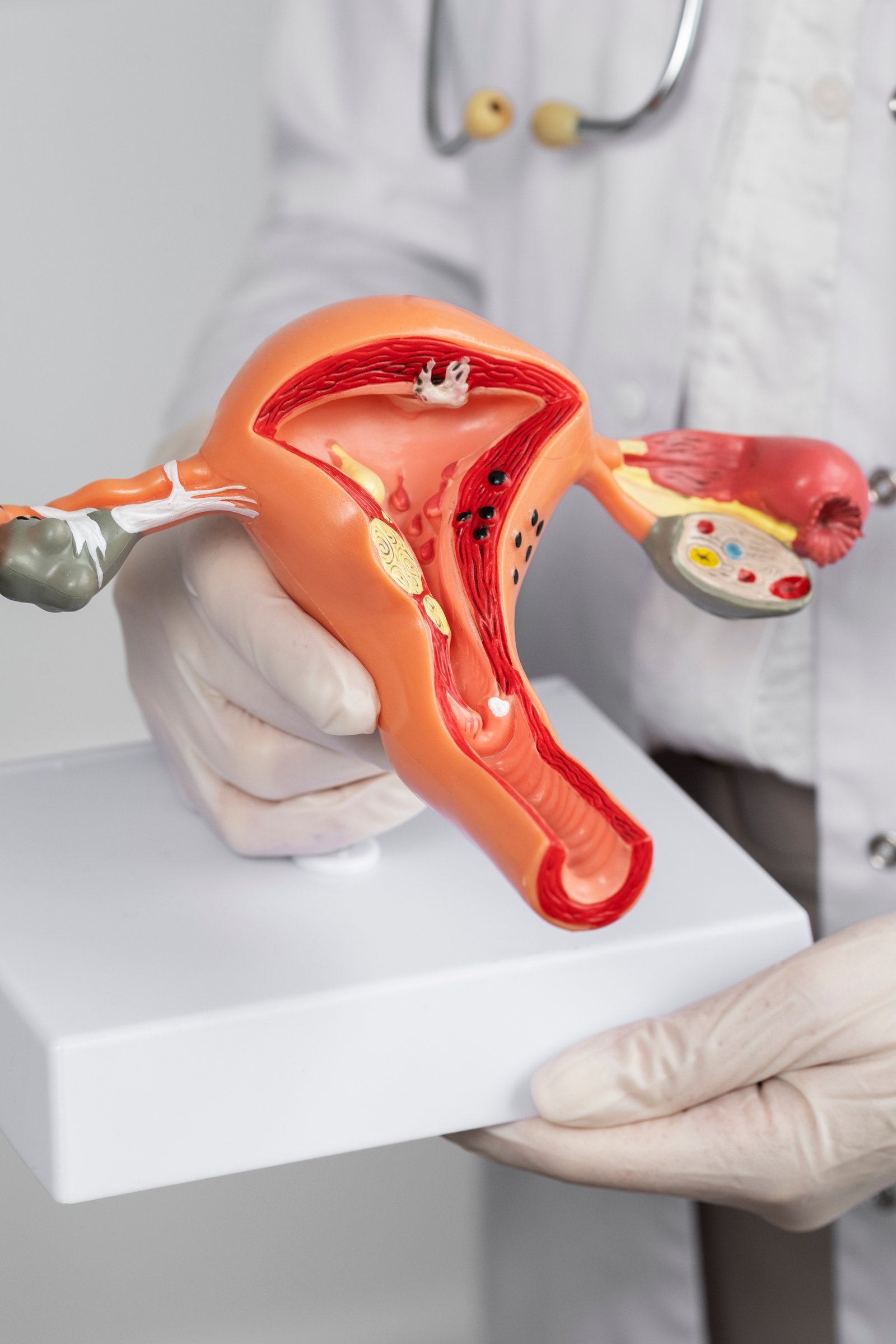
Hysteroscopy plays a crucial role in identifying uterine factors that could interfere with conception or embryo implantation. It is often recommended before starting IVF or after failed IVF attempts to rule out any hidden abnormalities that might affect success rates. The procedure is typically performed in the early days of the menstrual cycle, when the uterine lining is thin, providing optimal visibility.
There are two types of hysteroscopy: diagnostic hysteroscopy, used to examine the uterine cavity, and operative hysteroscopy, which allows the removal or treatment of abnormalities like fibroids, polyps, or scar tissue during the same session. Both types are safe and effective, often requiring only mild sedation or anesthesia.
Our fertility specialists use the latest hysteroscopic technology to ensure accurate diagnosis and comfortable patient experiences. With minimal recovery time, most patients can resume normal activities within a day.
By addressing any underlying uterine issues before IVF, hysteroscopy can significantly improve the chances of implantation and a healthy pregnancy. It is a valuable tool in our commitment to personalized and effective fertility care.

A minimally invasive procedure to remove a uterine septum, improving fertility outcomes and reducing the risk of miscarriage.
A procedure to open blocked fallopian tubes, enhancing the chances of natural conception.
Surgical removal of intrauterine adhesions to restore normal uterine cavity.
Surgery to correct uterine shape abnormalities, helping in better implantation and pregnancy outcomes.
Surgical removal of uterine fibroids while preserving the uterus, often recommended for women seeking pregnancy.
Surgical removal of uterine polyps to enhance fertility, restore normal uterine function, and reduce abnormal bleeding.
Therapy using concentrated platelets from your blood to promote endometrial growth and improve implantation chances.
Surgical correction of a uterine scar defect to reduce symptoms like abnormal bleeding and improve fertility.
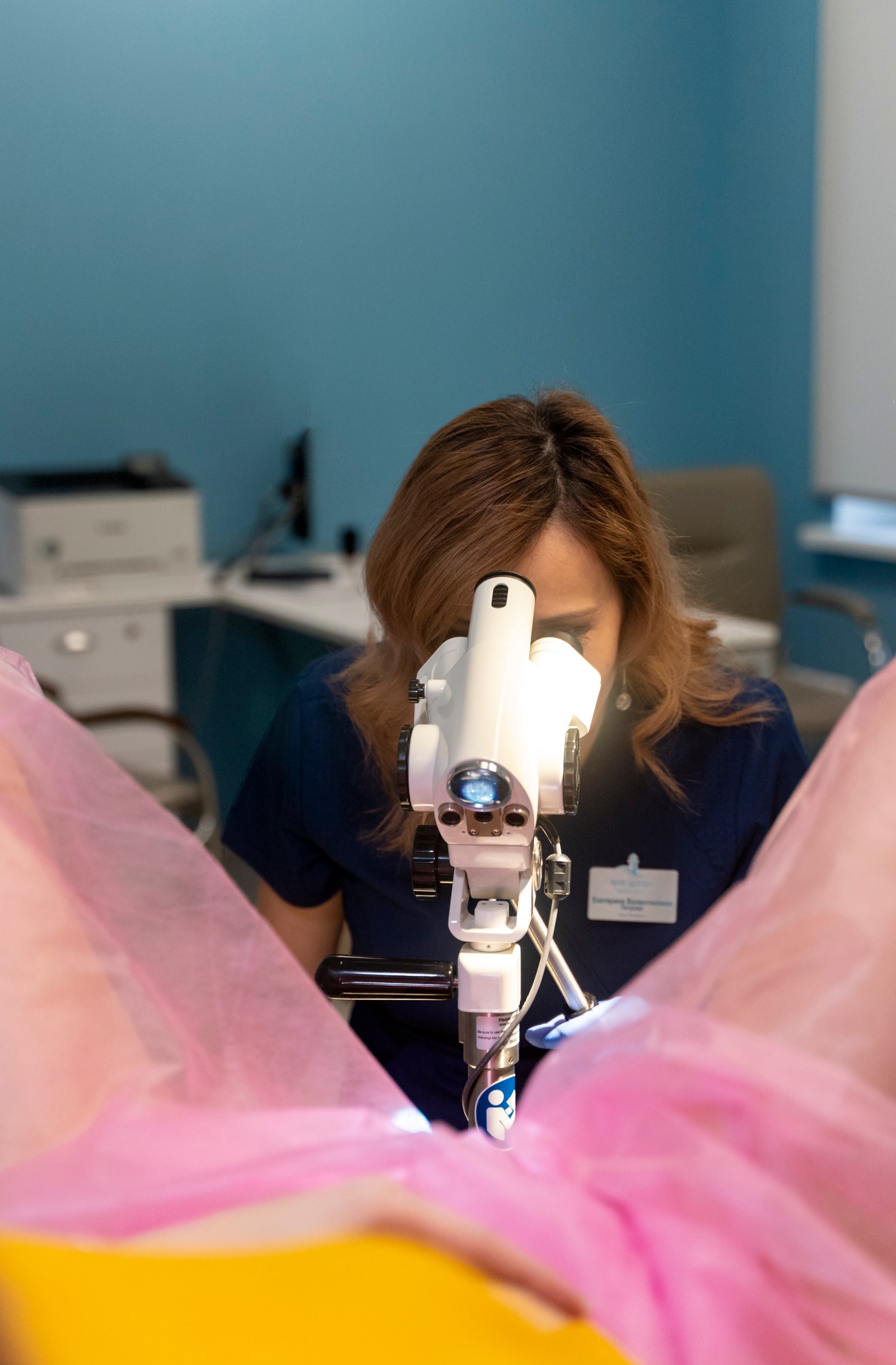
Laparoscopic surgery is a safe, minimally invasive procedure designed to identify and treat conditions that can affect fertility, such as endometriosis, ovarian cysts, blocked or damaged fallopian tubes, and pelvic adhesions. By carefully correcting these issues, the procedure helps restore normal reproductive function, improves the chances of conception, and enhances the success rates of IVF.
The procedure uses small incisions and advanced surgical instruments, allowing the surgeon to work with precision while minimizing trauma to surrounding tissues. This approach not only reduces pain and scarring but also ensures faster recovery, so patients can resume their fertility treatments sooner.
In addition to improving IVF outcomes, laparoscopy provides a clear view of the pelvic organs, helping detect hidden problems that might otherwise go unnoticed. Treating these issues early can prevent complications, reduce the risk of repeated implantation failures, and give couples a better chance at achieving a successful pregnancy.
Couples undergoing laparoscopic surgery benefit from a personalized treatment plan, where every step is carefully tailored to their specific fertility needs. By addressing the root causes of infertility, this procedure plays a crucial role in creating a safe, supportive, and effective path toward parenthood.
Surgical reconstruction of damaged fallopian tubes to restore fertility and improve chances of natural conception.
A procedure to block or seal fallopian tubes for permanent contraception or to prevent abnormal pregnancies.
Surgery to repair or open the fimbrial ends of the fallopian tubes, enhancing the possibility of egg pick-up and fertilization.
Procedures to repair or reconstruct ovarian tissue, often to remove cysts or improve ovarian function.
Surgical removal of ovarian cysts while carefully preserving healthy ovarian tissue to maintain fertility, hormonal balance, and overall reproductive health.
Minimally invasive removal or ablation of endometrial lesions to reduce pain and improve fertility.
Minimally invasive surgery to safely remove ectopic pregnancies from different locations while preserving reproductive function.
Placement of a cervical stitch via laparoscopy in women with repeated miscarriages to prevent preterm cervical opening.

At Fertylity IVF in Delhi, we distinguish ourselves by offering personalized care and treatment for infertility. Unlike many IVF clinics, we focus on a holistic evaluation of each couple, blending expert clinical care with comfort and advanced technology.
© Copyright 2022 - 23 Design by Webstrot | All Rights Reserved.
Private Policy | Terms and Conditions.